Volatility Patterns and Their Reach Across Loyalty Thresholds in Mobile Reward Platforms
Jakob Vogel · Aug 17, 2026

Volatility Patterns and Their Reach Across Loyalty Thresholds in Mobile Reward Platforms
Reel volatility describes the frequency and size of payouts on slot machines within app environments, and this mechanic connects directly to how users advance through loyalty milestones in reward systems. High-volatility titles deliver infrequent but larger returns while low-volatility options produce steadier smaller outcomes, and these patterns alter the rate at which players accumulate points, unlock tiers, and claim associated benefits.
App developers structure loyalty programs around metrics such as total spins completed, session duration, and wager volume, yet volatility influences each of those inputs because players adjust their behavior based on recent results. Data from industry reports shows that sessions on high-volatility games often feature longer intervals between significant wins, which can slow point accrual when systems award credits primarily on wager totals rather than win frequency.
Mechanics Linking Volatility to Milestone Progress
Loyalty frameworks in many apps assign points per unit wagered, yet the psychological impact of volatility changes how long users remain engaged before reaching the next threshold. A sequence of dry spins on a high-volatility reel may prompt shorter sessions, whereas consistent small returns on low-volatility games encourage extended play that compounds toward higher tiers more rapidly. Researchers at the University of Las Vegas have documented these behavioral shifts in controlled studies of digital gaming environments.
August 2026 brought updated compliance guidelines from several North American regulators that require clearer disclosure of volatility ratings inside app interfaces, and these rules affect how loyalty milestones display projected progress. Operators responded by integrating volatility filters into reward dashboards so users can select games aligned with their preferred pace of advancement.
Observed Effects on Player Retention Cycles
Tracking data across multiple platforms reveals that users who gravitate toward high-volatility reels reach intermediate loyalty milestones at slower rates than those favoring low-volatility selections, even when total wager amounts remain comparable. This divergence appears because extended losing streaks reduce session length and therefore limit the compounding effect of repeated point awards. One analysis of Canadian provincial gaming records indicated similar patterns in app-based reward uptake during the first half of 2026.
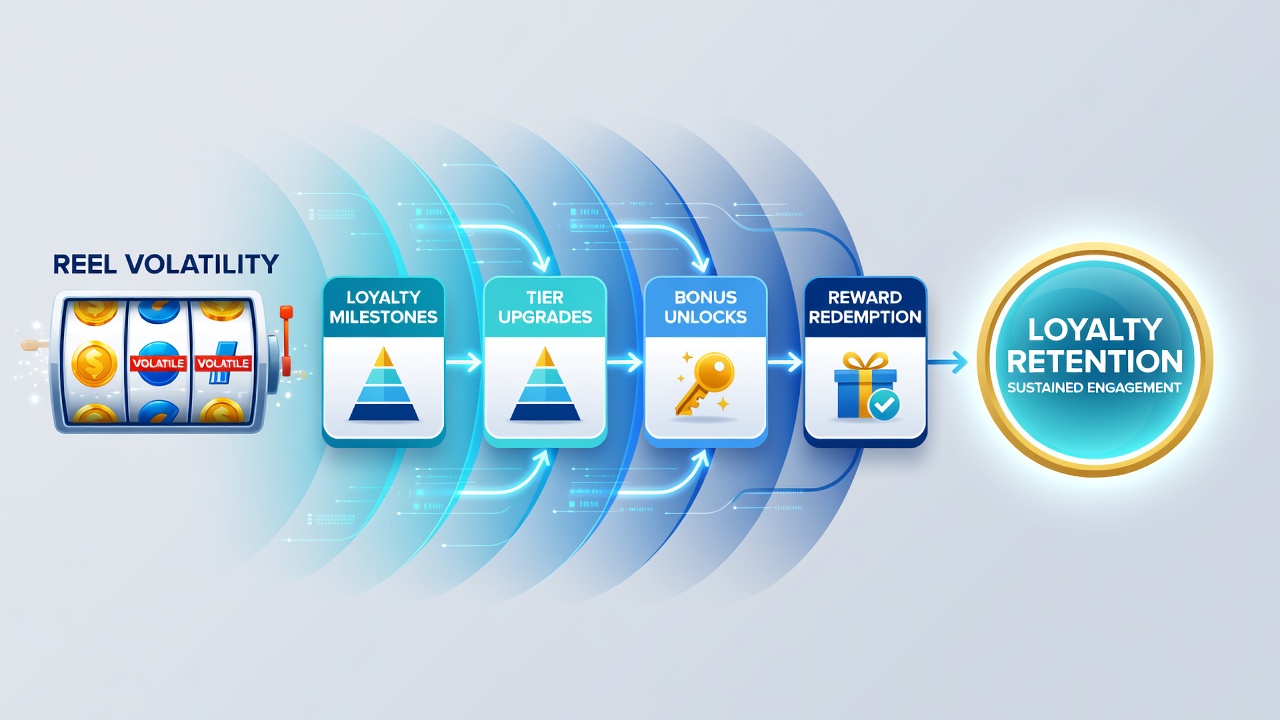
Platform operators have introduced volatility-aware bonus multipliers that adjust point rates during specific campaigns, and these adjustments aim to stabilize milestone attainment across different game types. When a high-volatility title triggers a loyalty promotion, the multiplier can offset slower base accumulation by boosting points during dry spells, although such features remain tied to individual operator policies.
Regional Regulatory Influences on System Design
European gaming authorities outside the United Kingdom have begun requiring volatility labels within app descriptions, and this transparency influences how loyalty programs present milestone forecasts. Users who review these labels before selecting games demonstrate more consistent progress toward higher tiers according to aggregated platform statistics released in mid-2026. Academic papers from institutions in Australia further link volatility awareness to sustained engagement metrics in mobile reward environments.
Payment integration and support chat features interact indirectly with volatility effects because players facing prolonged non-win periods often seek assistance or alter deposit patterns, both of which can reset or accelerate loyalty counters depending on system rules. These secondary pathways underscore the interconnected nature of app mechanics and reward structures.
Conclusion
Reel volatility continues to shape the speed and consistency of loyalty milestone achievement in app-based reward systems through its influence on session length and point accumulation rates. Regulatory updates, academic findings, and platform adaptations together illustrate how these dynamics operate across different markets and game libraries. Continued monitoring of behavioral data will determine how future designs balance volatility variety with steady progress pathways for users.